

Patient Resources
Foot Care Articles for Hickory Patients
Practical guides from Carolina Podiatry Center for people trying to understand heel pain, nail problems, sports injuries, diabetic foot risk, and treatment options before they call.
Browse by Topic
Each category groups related symptoms, treatment questions, and local foot care searches so patients can move from a broad question to the right condition or treatment page.
Heel Pain
Local guides for plantar fasciitis, heel spurs, morning pain, arch strain, and heel pain after running or standing.
Treatment Options
Plain-language comparisons of orthotics, injections, shockwave questions, PRP, conservative care, and foot surgery consultations.
Sports Injuries
Foot and ankle guidance for runners, active adults, youth athletes, ankle sprains, Achilles pain, and return-to-activity decisions.
Diabetic Foot Care
Prevention-focused articles for daily foot checks, wounds, calluses, nail safety, shoe fit, and warning signs.
Nail and Skin Care
Guides for ingrown toenails, fungal nails, plantar warts, corns, calluses, and thick nails that are painful or hard to trim.
Patient Guides
Articles link back to the most relevant condition and treatment pages so the blog supports the full site instead of becoming a dead end.
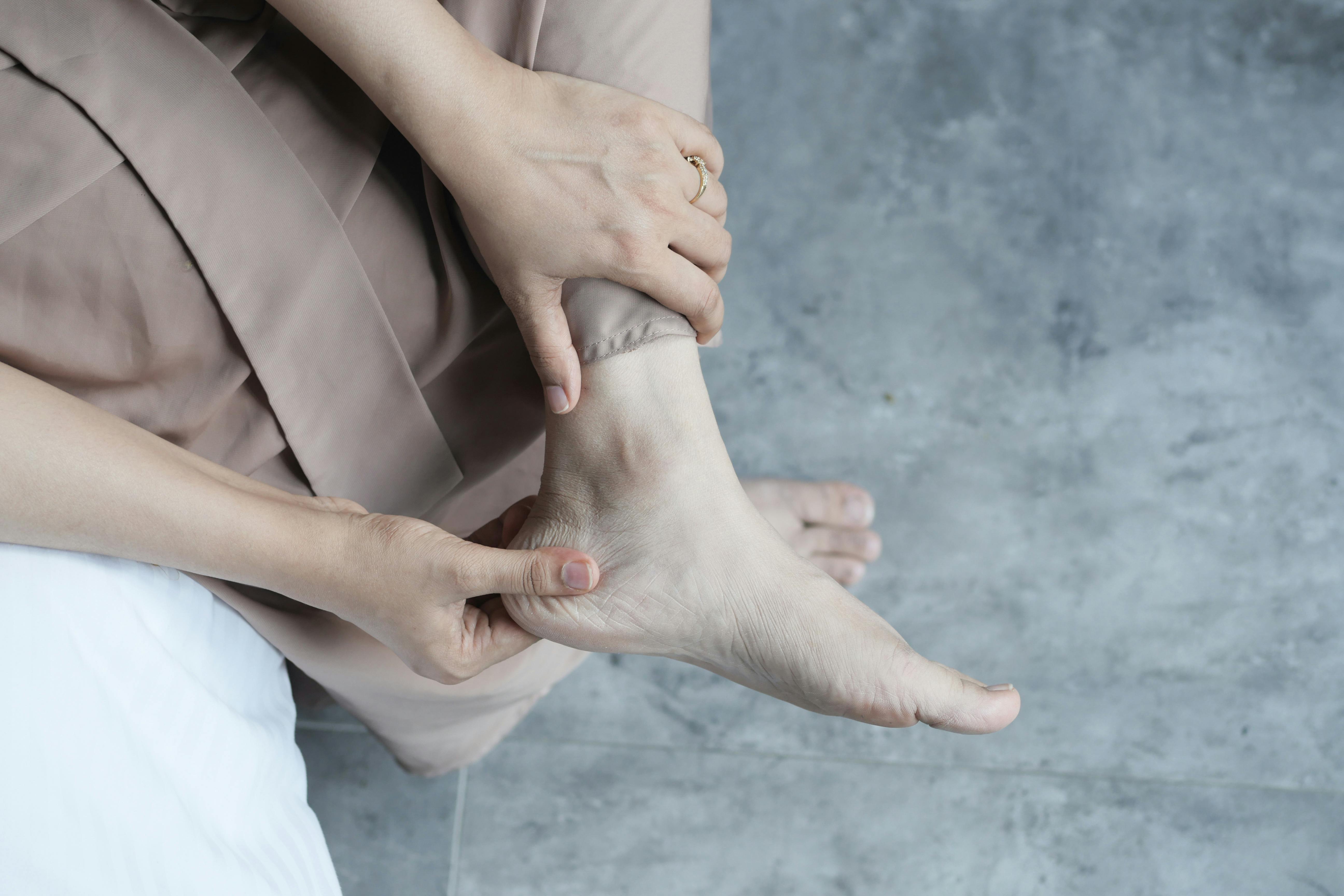
Why Does My Heel Hurt First Thing in the Morning?
First-step heel pain often points to plantar fascia irritation, especially when it eases after a few minutes and returns after rest.

Heel Pain After Running: What It Usually Means
Post-run heel pain often points to overload, tight calves, shoe problems, plantar fascia irritation, or Achilles tendon strain.
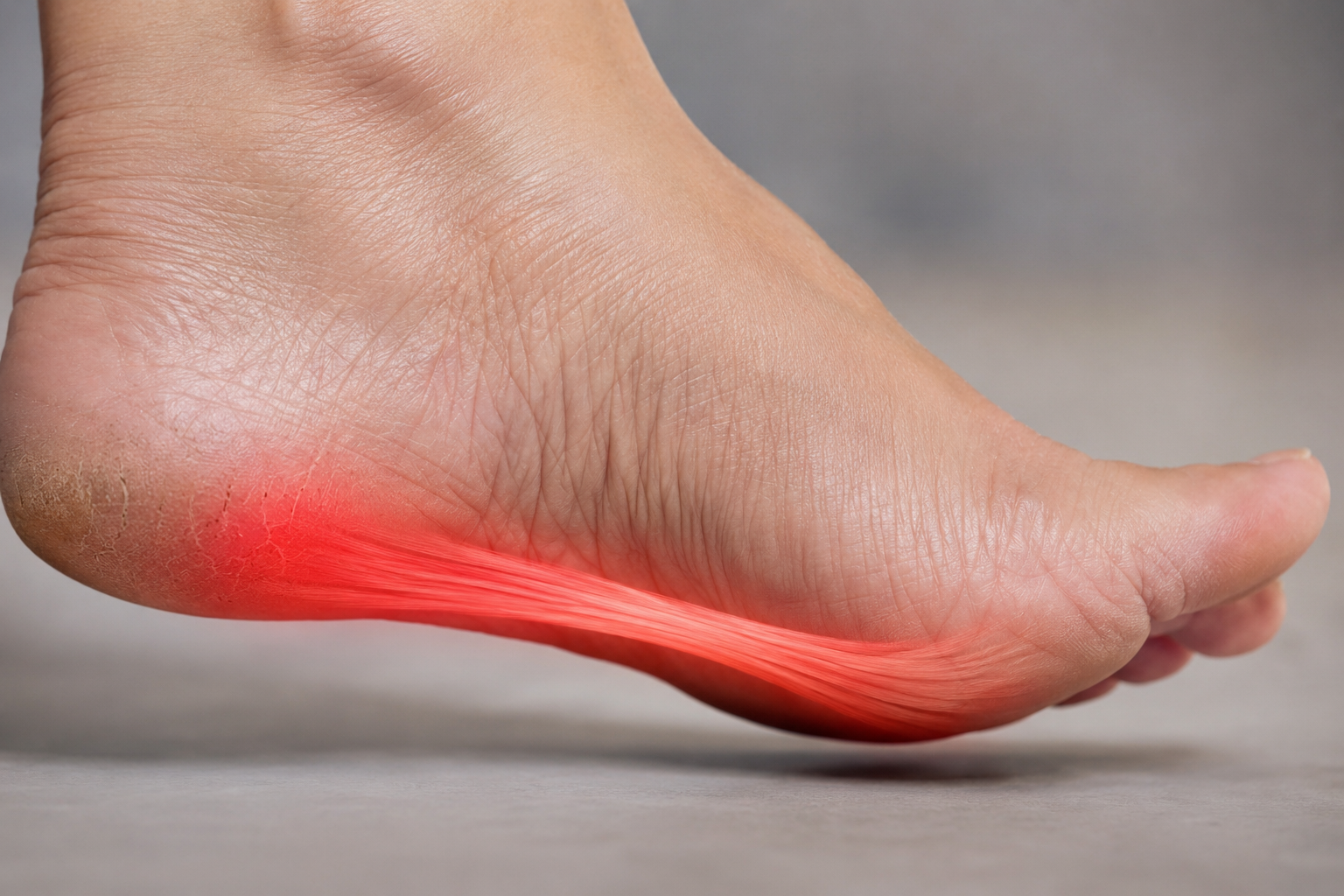
When Heel Pain Will Not Go Away
If heel pain has lasted more than a few weeks, the next step is a clearer diagnosis, not more random home treatment.
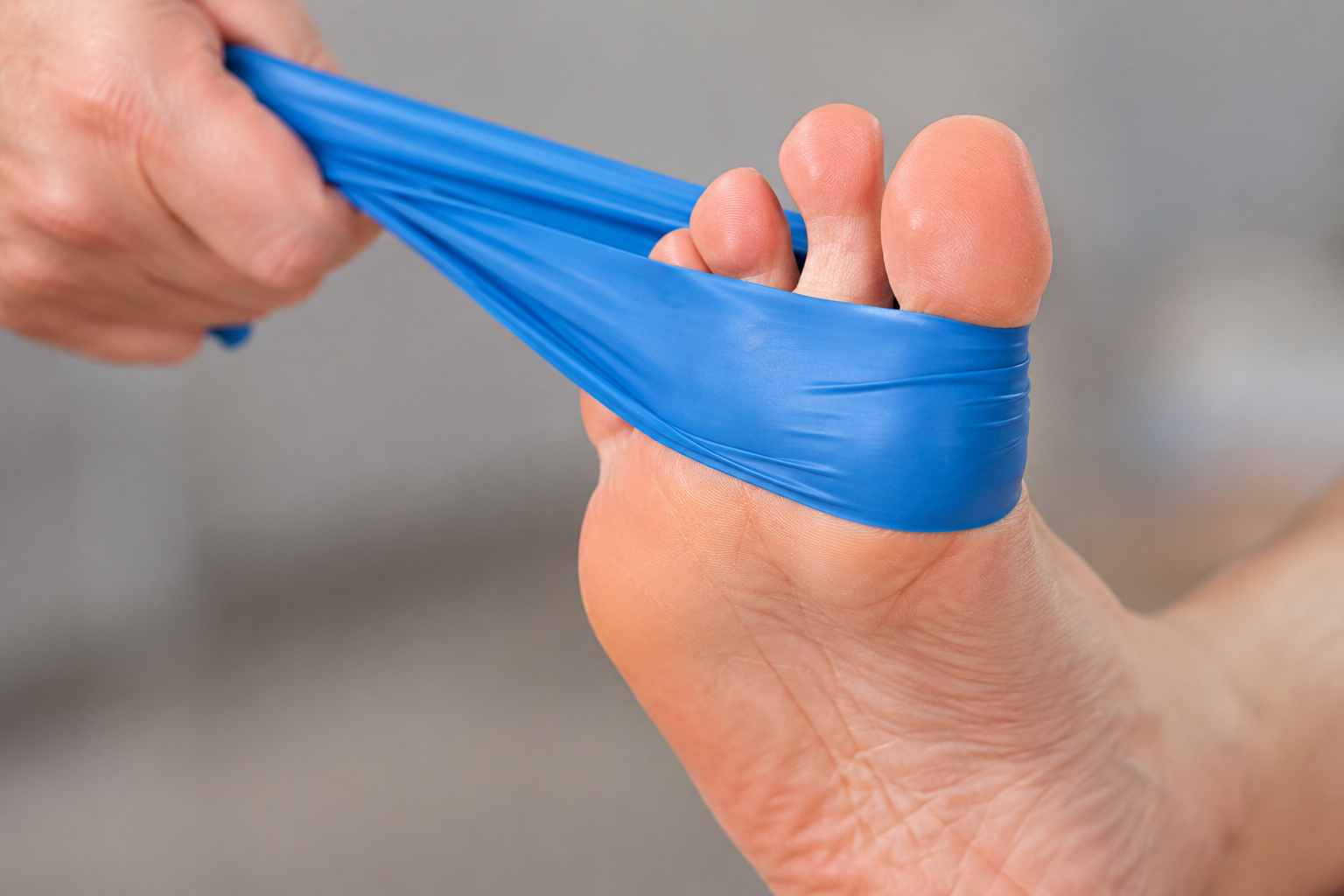
Three Stretches to Try Before Your First Step
A short morning routine can reduce first-step heel strain and make the rest of the day easier on your feet.
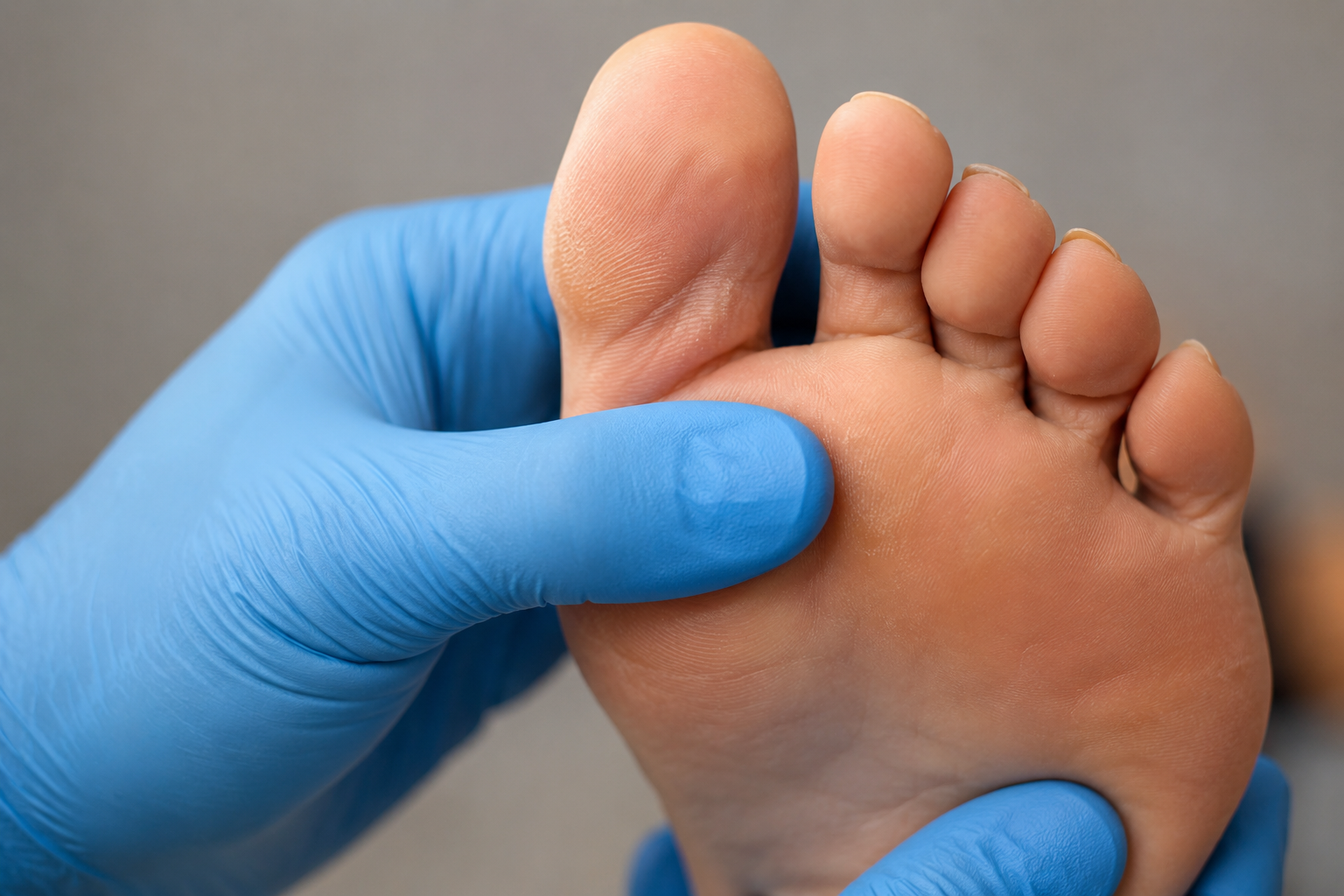
Foot Pain Treatment Options: Conservative Care, Orthotics, Injections, and Surgery
Foot pain treatment should follow the diagnosis, starting simple and moving up only when symptoms and exam findings support it.
Do Custom Orthotics Help Foot Pain?
Orthotics can help when support, pressure, or repeated mechanics are part of the problem, but they are not the answer for every foot condition.
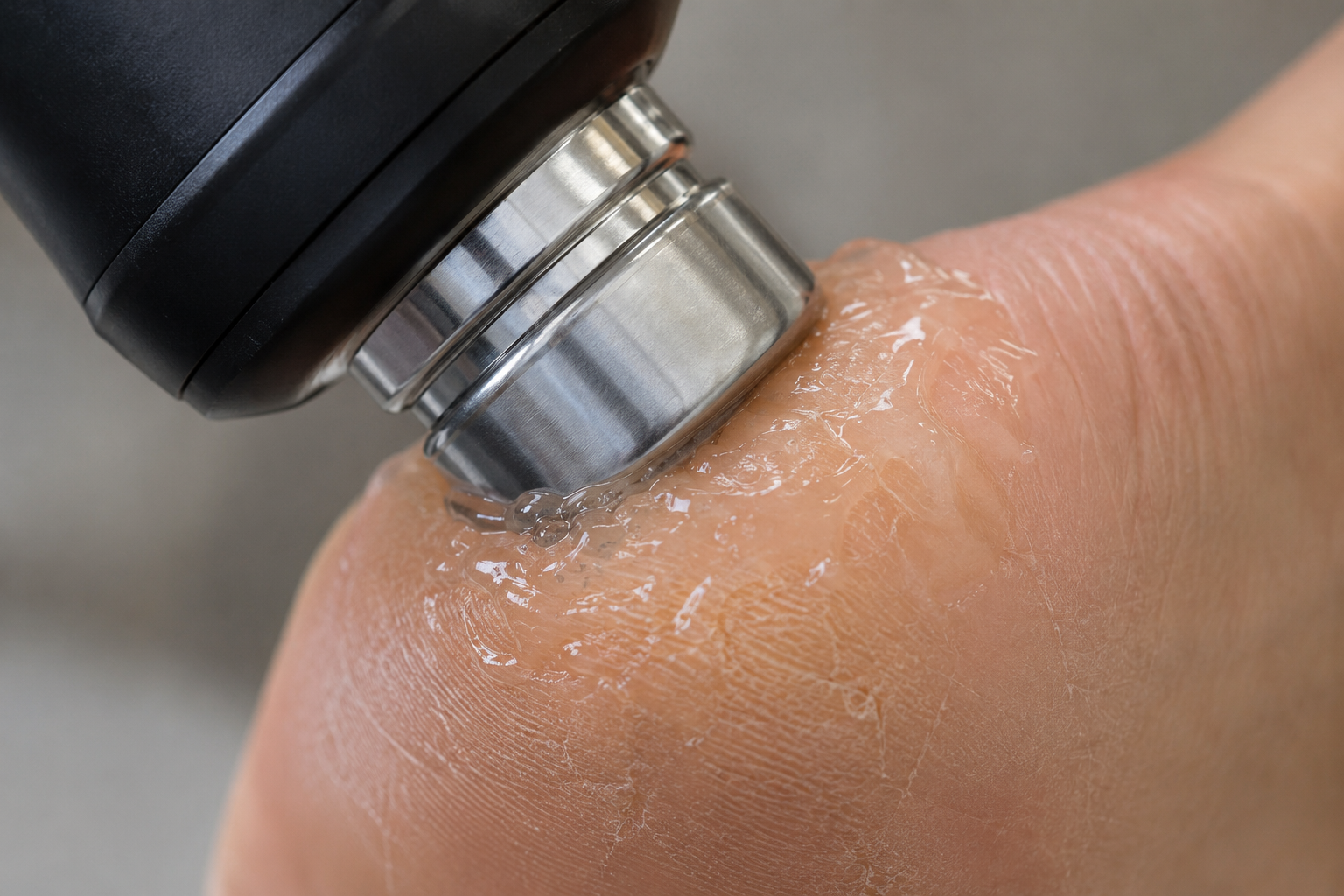
Shockwave Therapy for Heel Pain: Questions to Ask
Shockwave therapy may come up when chronic heel pain has not responded to simpler care, but the right first question is diagnosis.
PRP for Foot Pain: What Patients Should Ask First
PRP is not a starting point for every foot problem. Patients should ask what diagnosis it is meant to treat and what alternatives exist.
Foot Surgery Consultation: Questions to Ask Before You Decide
A surgery consultation should clarify the diagnosis, conservative options, risks, recovery, and why surgery is being discussed.

Running Foot Pain: When to Stop and Call a Podiatrist
Runners do not need to call for every ache, but sharp pain, limping, swelling, or repeated symptoms deserve attention.
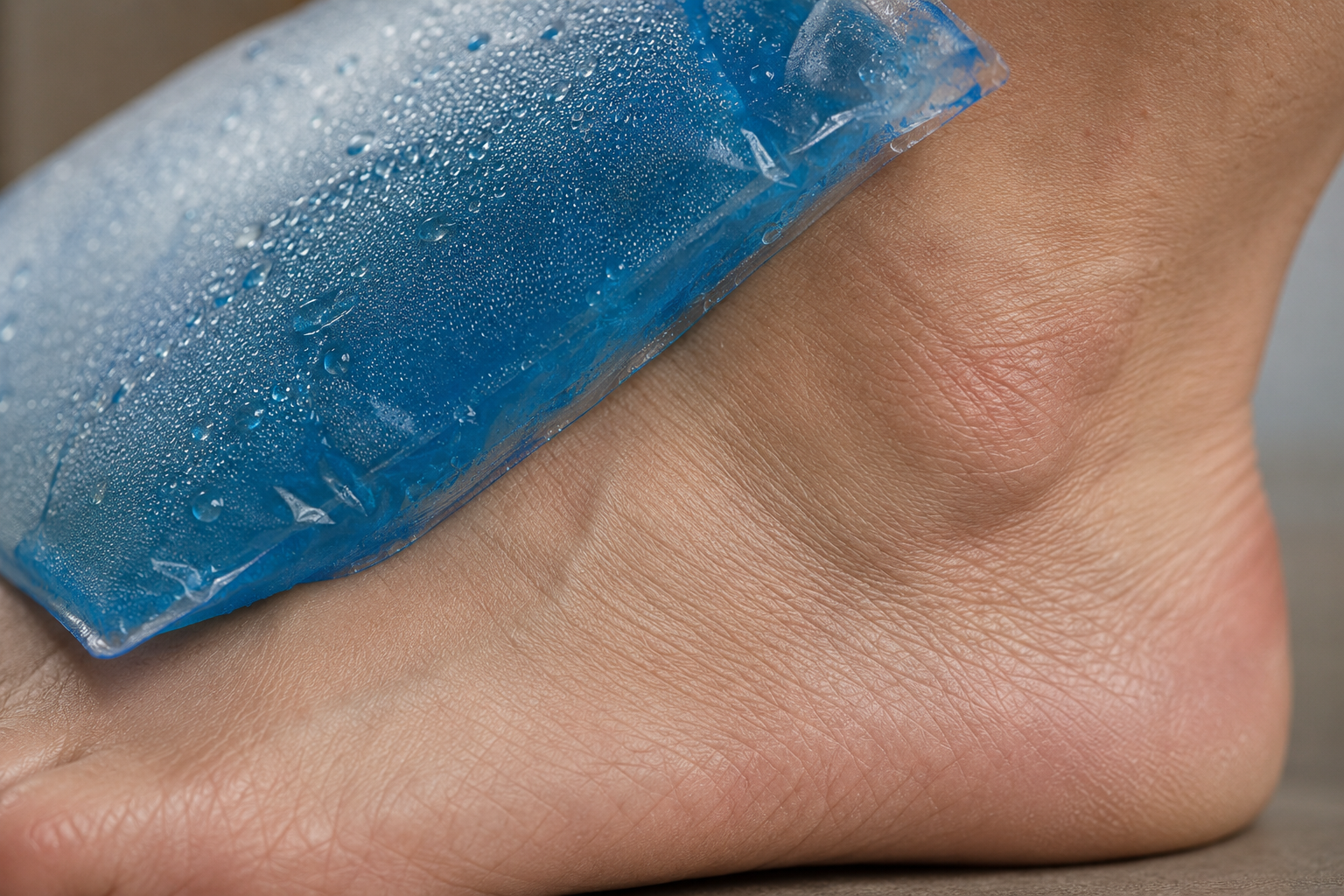
Ankle Sprain Recovery: Why Some Sprains Keep Hurting
An ankle sprain that keeps hurting may involve instability, tendon irritation, swelling, or a more specific injury than a simple twist.
Achilles Pain From Running: What to Watch
Achilles pain behind the heel can worsen if runners push hills, speedwork, or aggressive stretching too soon.

Youth Sports Foot Pain: When Parents Should Call
Kids may not describe foot pain clearly, so limping, activity avoidance, swelling, and recurring complaints matter.
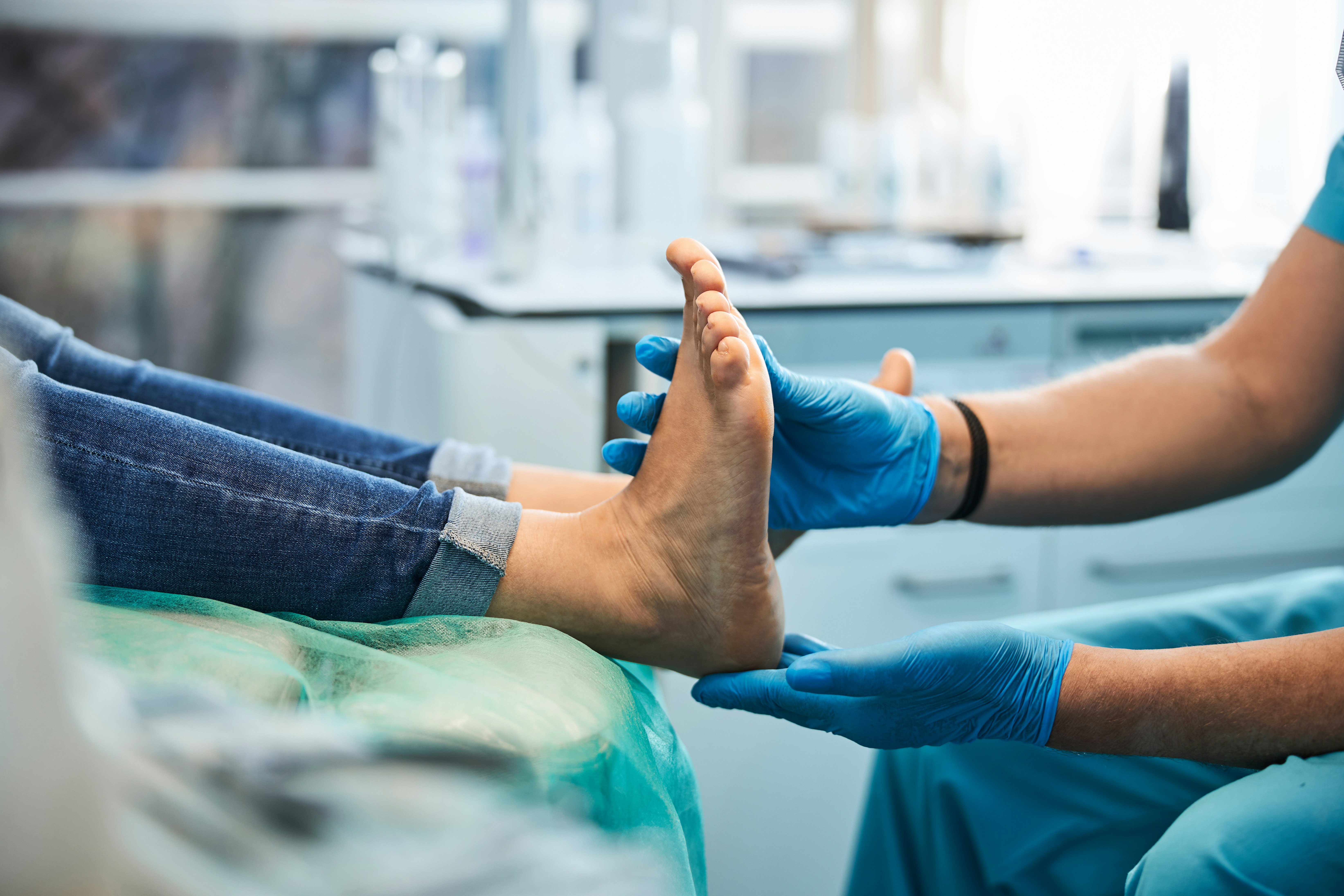
Diabetic Foot Check: Warning Signs You Should Not Ignore
Daily foot checks matter because diabetes can reduce feeling and make small pressure spots harder to notice.
Diabetic Foot Wound: When to Call a Podiatrist
Diabetic foot wounds need early attention, especially when there is drainage, redness, swelling, odor, or delayed healing.
Diabetic Shoes and Foot Care: What to Check
Shoe pressure can create calluses, blisters, and wounds that are harder to notice when diabetes affects feeling.
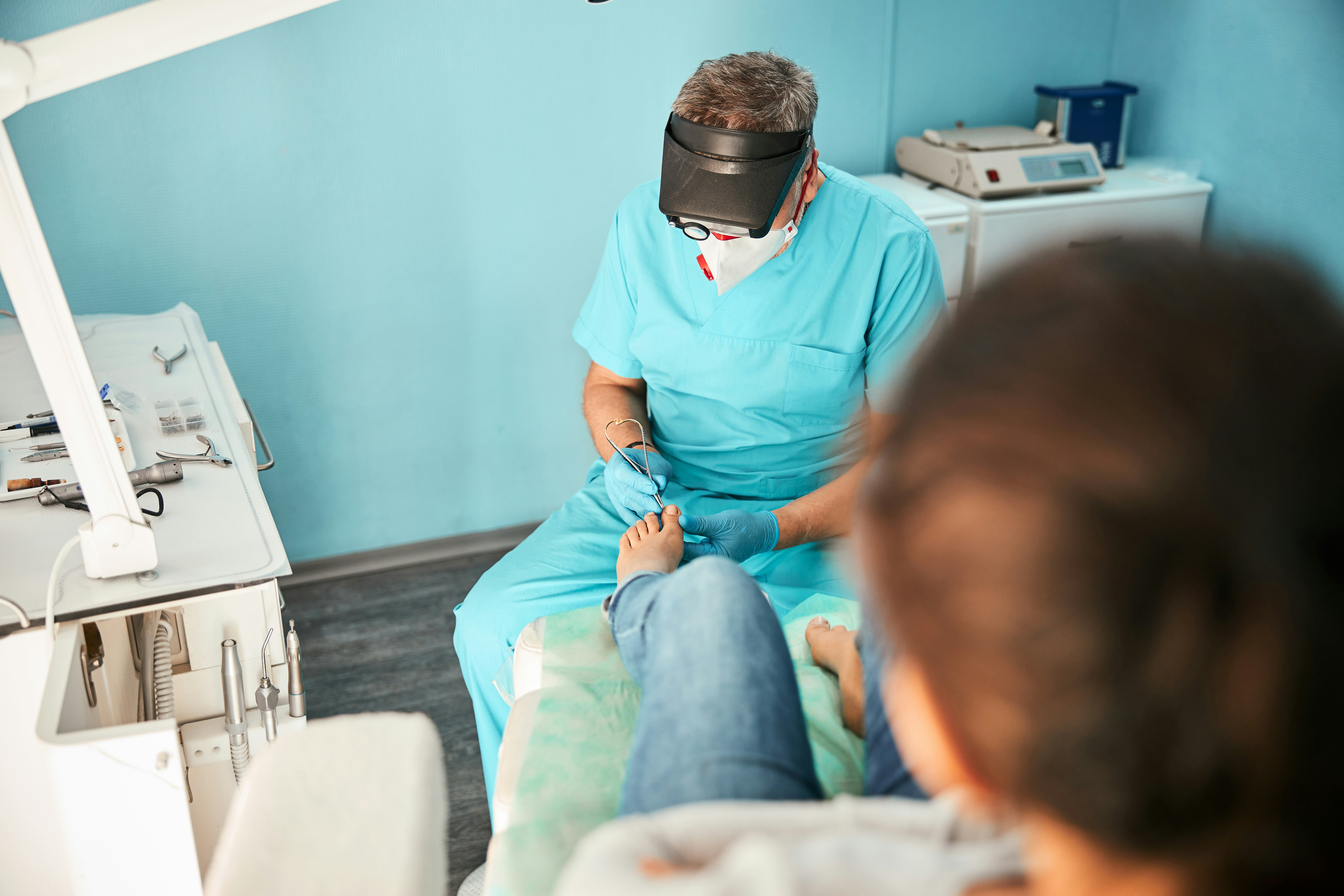
Diabetic Nail and Callus Care: Safety Basics
Thick nails and calluses can create pressure, but aggressive trimming at home can be risky for diabetic patients.
Ingrown Toenail Home Care: What Not to Do
A painful nail edge can get worse when patients dig, cut too deep, or ignore redness and drainage.
Fungal Toenails: Treatment Options and Realistic Expectations
Toenail fungus treatment takes time, and not every thick nail is fungus. Diagnosis and expectations matter.
Plantar Wart vs Callus: How to Tell the Difference
Warts and calluses can look similar, but one is viral and one is pressure-related. Treatment should match the cause.
Thick Toenails: Safer Trimming and When to Get Help
Thick toenails can press in shoes, trigger ingrown edges, and become risky to trim at home.