

Plantar Fasciitis
Plantar Fasciitis Treatment in Hickory, NC
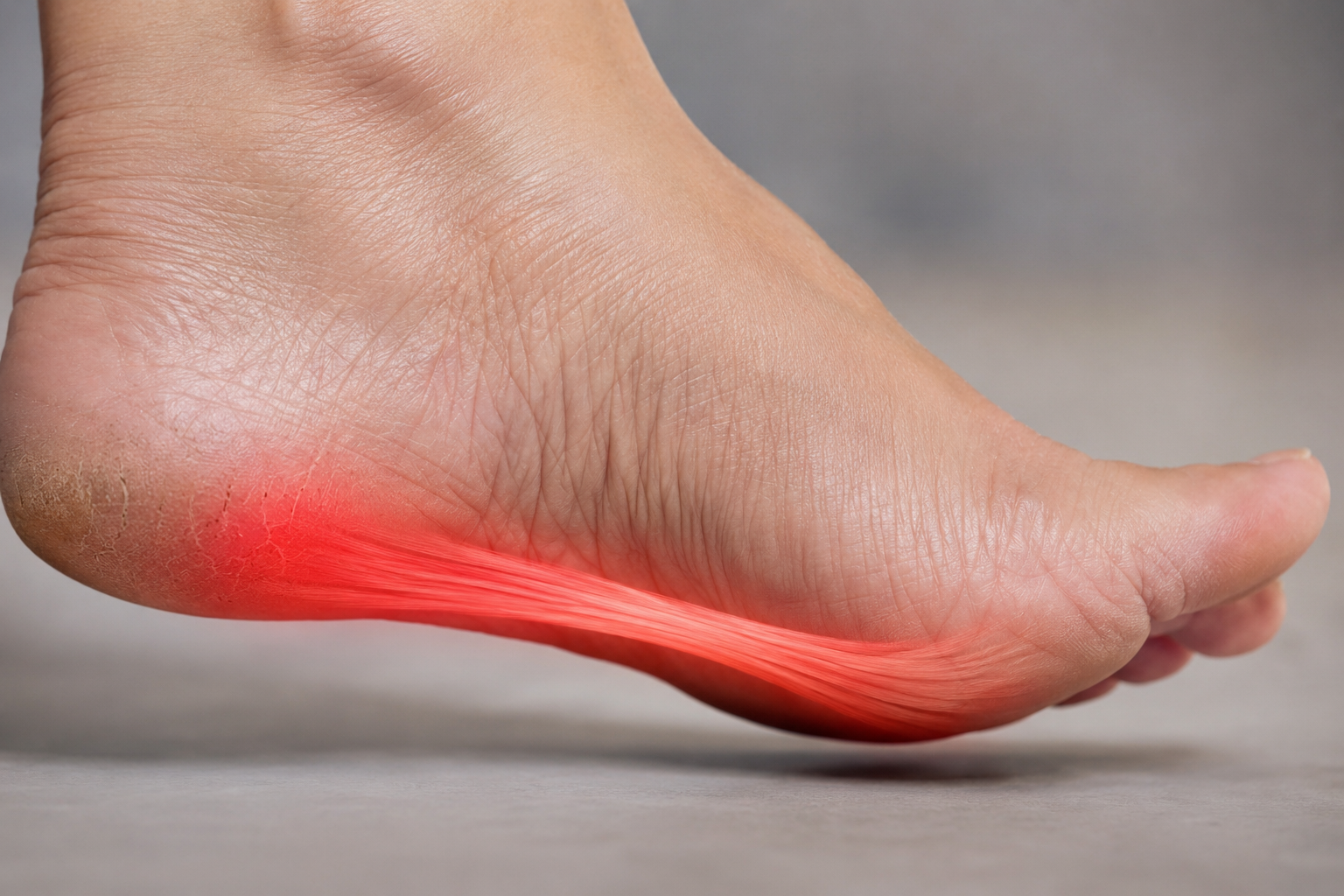
Plantar fasciitis is one of the most common causes of heel pain. It often feels sharp with the first steps out of bed, after sitting, or after a long day on your feet.
Symptoms That May Point to Plantar Fasciitis
- Stabbing pain under the heel
- Pain that improves after walking, then returns after rest
- Arch tightness or calf tightness
- Symptoms that worsen after activity rather than during it
Common Causes
The plantar fascia supports the arch. Repeated strain, tight calves, unsupportive shoes, sudden activity changes, and foot structure can irritate the tissue where it attaches to the heel.
How a Hickory Podiatrist May Evaluate It
A podiatrist checks the exact tender area, calf flexibility, arch mechanics, shoe support, and whether symptoms suggest another heel problem. Imaging may be considered if the story or exam points away from simple plantar fascia irritation.
Treatment Path
Care Options Patients Often Discuss
The right plan depends on the diagnosis, medical history, footwear, activity level, and whether warning signs are present.
Morning Heel Pain Guide
Learn why the first steps can hurt and what that pattern usually means.
View pageCustom Orthotics
Support may reduce repeated pulling on the fascia when shoe support is not enough.
View pageConservative Care
Stretching, padding, taping, footwear changes, and activity changes are often first-line options.
View pageWhat You Can Do Before Your Visit
- Keep supportive shoes near the bed.
- Stretch the calf and arch before standing.
- Avoid sudden increases in running, hills, or long standing without support.
When to Call
- The first-step pain is not improving.
- Heel pain returns after every rest period.
- You are limping or avoiding normal activity.
Related Reading
Helpful Local Foot Care Guides
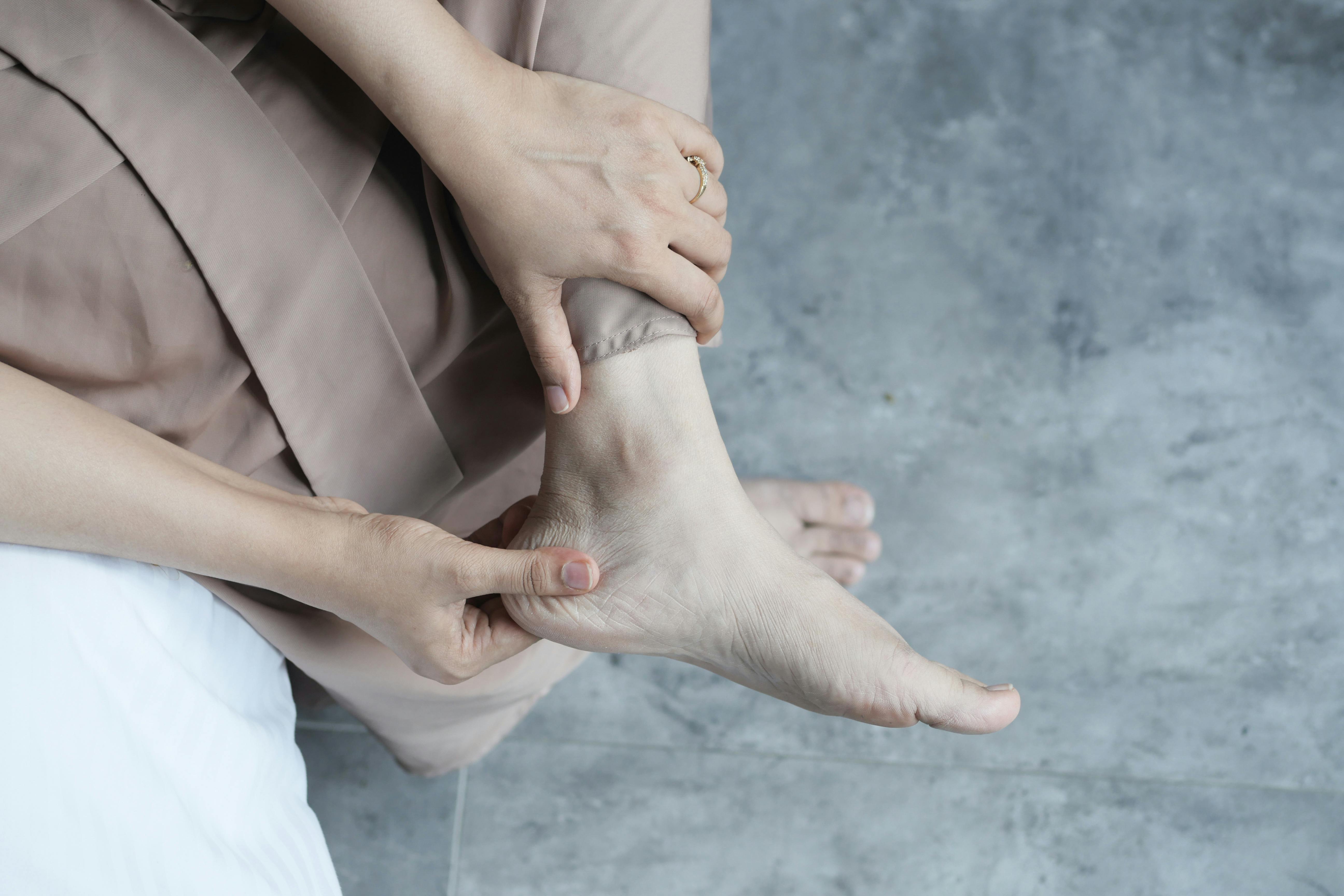
Why Does My Heel Hurt First Thing in the Morning?
First-step heel pain often points to plantar fascia irritation, especially when it eases after a few minutes and returns after rest.

Heel Pain After Running: What It Usually Means
Post-run heel pain often points to overload, tight calves, shoe problems, plantar fascia irritation, or Achilles tendon strain.
When Heel Pain Will Not Go Away
If heel pain has lasted more than a few weeks, the next step is a clearer diagnosis, not more random home treatment.
Internal Links
Related Pages
Heel Pain
Compare plantar fasciitis with other causes of heel soreness.
Open pageShockwave Therapy
A general overview for patients asking about chronic heel pain options.
Open pageThis page is educational and does not diagnose your condition. If symptoms are severe, spreading, infected, or related to diabetes or a wound, seek medical guidance promptly.
Plantar Fasciitis FAQs
Should I see a podiatrist for plantar fasciitis in Hickory?
A podiatrist can examine the foot, check shoe wear and walking pattern, and decide whether imaging or a more specific treatment plan is needed. Call Carolina Podiatry Center if pain is lasting, worsening, or limiting normal activity.
Can I keep walking or running with heel pain?
Some light activity may be reasonable, but sharp pain, limping, swelling, numbness, or pain that keeps returning after rest should be evaluated before you push through it.
Will every heel pain problem need surgery?
No. Many heel and arch problems start with conservative care such as stretching, footwear changes, padding, supports, medication guidance, or orthotics. Surgery is usually reserved for selected cases.