

Diabetic Foot Care
Diabetic Foot Care in Hickory, NC
Diabetes can change how the feet feel, heal, and respond to small cuts or pressure spots. Regular podiatry care helps reduce risk and catch problems earlier.

Symptoms That May Point to Diabetic Foot Care
- Numbness, tingling, burning, or loss of feeling
- Cuts, sores, blisters, or wounds
- Thick nails, calluses, or pressure spots
- Skin color change, swelling, or drainage
Common Causes
Diabetes can affect nerves, circulation, skin, nails, immune response, and wound healing. Shoe pressure and unnoticed injuries can become larger concerns when feeling is reduced.
How a Hickory Podiatrist May Evaluate It
A diabetic foot visit may check skin, nails, sensation, circulation signs, shoe fit, calluses, wounds, and risk factors. The goal is prevention as much as treatment.
Treatment Path
Care Options Patients Often Discuss
The right plan depends on the diagnosis, medical history, footwear, activity level, and whether warning signs are present.
What You Can Do Before Your Visit
- Check both feet daily, including between toes.
- Do not walk barefoot.
- Call early for wounds, drainage, new redness, or swelling.
When to Call
- You see a cut, blister, wound, or drainage.
- A callus or nail problem is painful.
- You notice new numbness, swelling, redness, or color change.
Related Reading
Helpful Local Foot Care Guides
Diabetic Foot Check: Warning Signs You Should Not Ignore
Daily foot checks matter because diabetes can reduce feeling and make small pressure spots harder to notice.
Diabetic Foot Wound: When to Call a Podiatrist
Diabetic foot wounds need early attention, especially when there is drainage, redness, swelling, odor, or delayed healing.
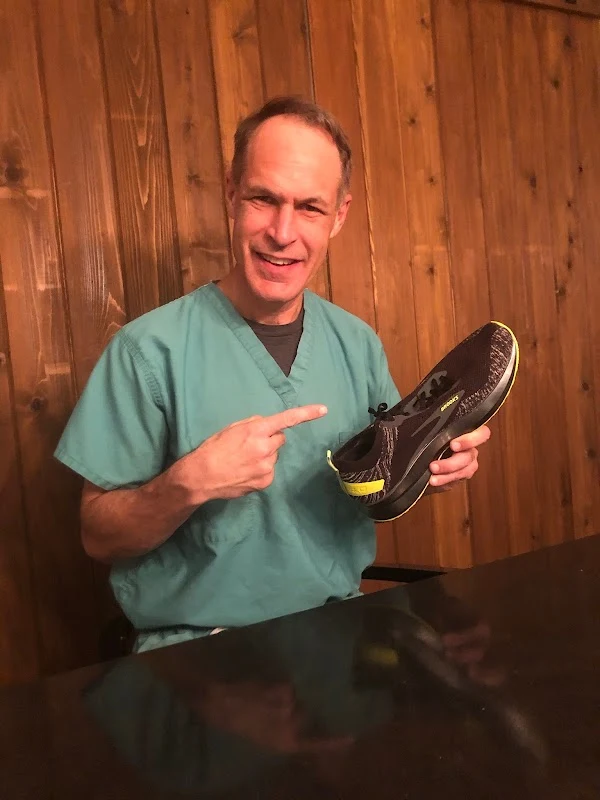
Diabetic Shoes and Foot Care: What to Check
Shoe pressure can create calluses, blisters, and wounds that are harder to notice when diabetes affects feeling.
Internal Links
Related Pages
Diabetic Foot Warning Signs
A simple guide to what should prompt a call.
Open pageWound Care
How wound-focused podiatry care fits into diabetic foot risk.
Open pageThis page is educational and does not diagnose your condition. If symptoms are severe, spreading, infected, or related to diabetes or a wound, seek medical guidance promptly.
Diabetic Foot Care FAQs
When should I call a foot doctor for diabetic foot concerns?
Call when symptoms are painful, spreading, recurring, changing the way you walk, or not improving with basic care. Diabetic patients and patients with wounds, drainage, infection signs, or numbness should call sooner.
Can this be diagnosed at a podiatry visit?
A podiatry visit can often narrow the cause through history, exam, footwear review, and, when appropriate, imaging or in-office testing.
Will treatment be the same for every patient?
No. Treatment depends on the diagnosis, medical history, activity level, footwear, circulation, skin or nail findings, and whether the problem is new or recurring.