
Bunions
Bunion Treatment in Hickory, NC
A bunion can cause big toe joint pain, shoe pressure, swelling, and a visible bump that slowly changes how the front of the foot fits in shoes.

Symptoms That May Point to Bunions
- Pain at the big toe joint
- Redness or rubbing from shoes
- Toe drifting toward the second toe
- Callus or pain under the ball of the foot
Common Causes
Bunions can be influenced by inherited foot structure, joint mechanics, footwear pressure, arthritis, and years of stress across the big toe joint.
How a Hickory Podiatrist May Evaluate It
The exam checks joint motion, pressure points, shoe fit, toe position, and whether pain is from the bunion, arthritis, callus, or another forefoot problem.
Treatment Path
Care Options Patients Often Discuss
The right plan depends on the diagnosis, medical history, footwear, activity level, and whether warning signs are present.
Conservative Care
Padding, shoe changes, activity adjustments, and support can reduce pressure.
View pageOrthotics
Support may help reduce abnormal pressure through the forefoot.
View pageFoot Surgery Consultation
Surgery can be discussed when pain, shoe limits, or joint changes become significant.
View pageWhat You Can Do Before Your Visit
- Choose shoes with a wider toe box.
- Avoid forcing the foot into narrow dress shoes.
- Use padding only if it does not create more pressure.
When to Call
- The bunion is painful in normal shoes.
- The toe position is changing.
- You are considering surgery or want to understand non-surgical options.
Related Reading
Helpful Local Foot Care Guides
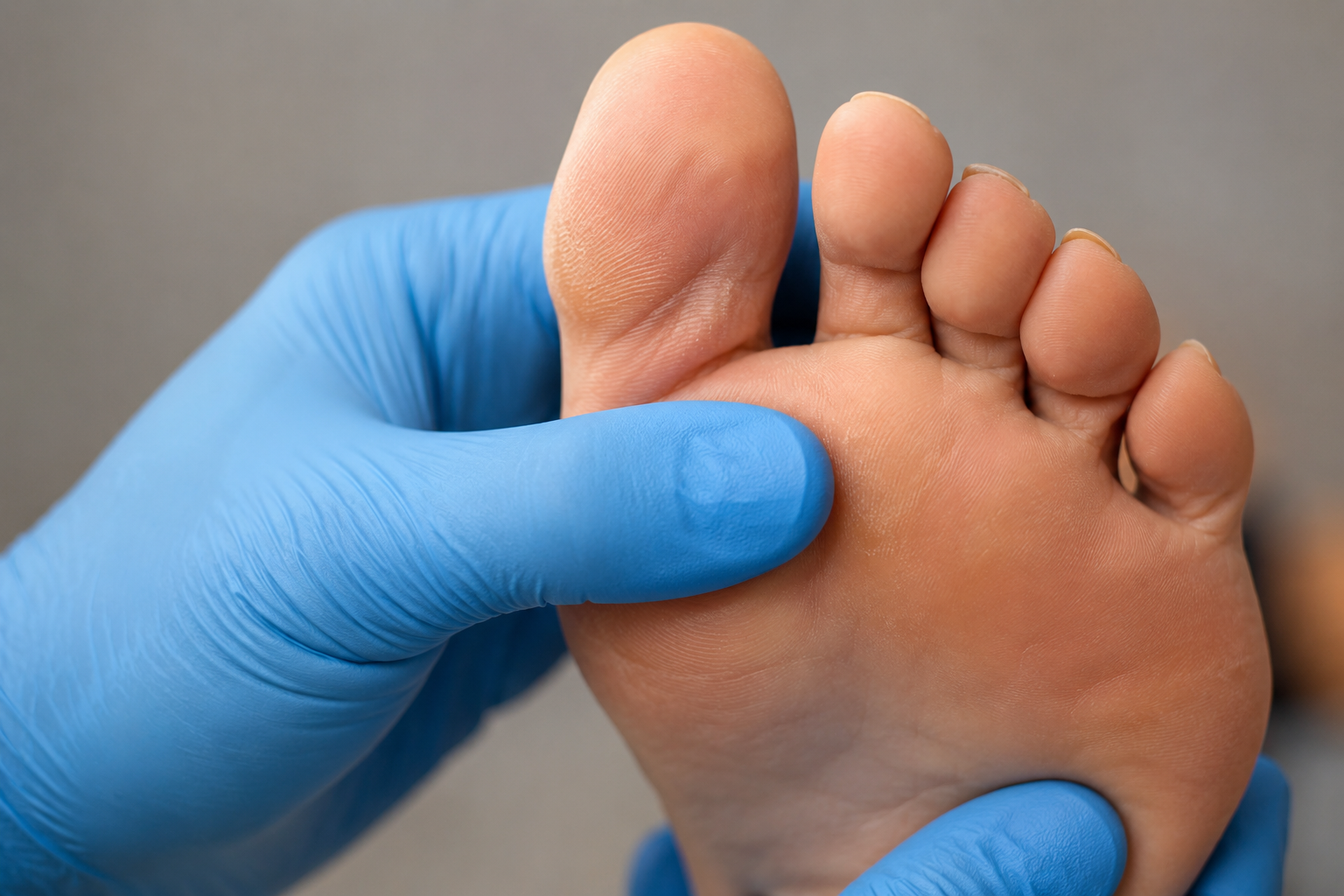
Foot Pain Treatment Options: Conservative Care, Orthotics, Injections, and Surgery
Foot pain treatment should follow the diagnosis, starting simple and moving up only when symptoms and exam findings support it.
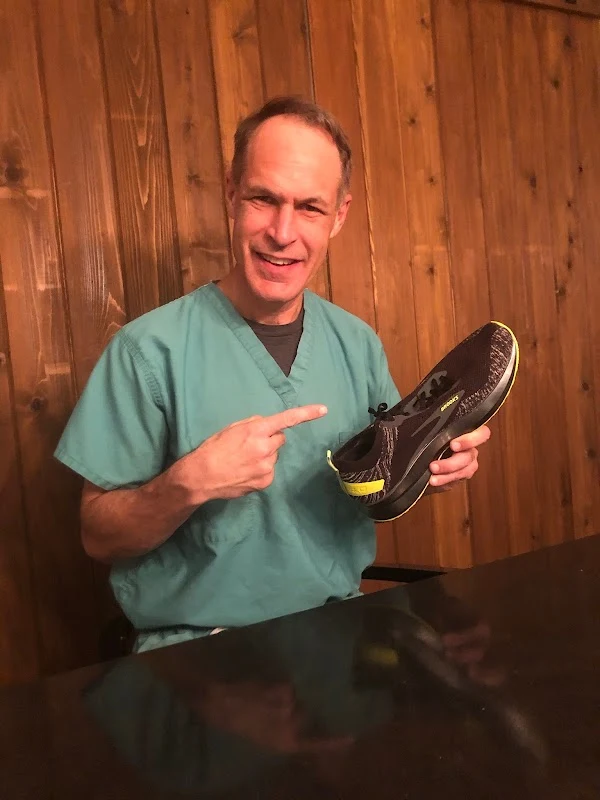
Do Custom Orthotics Help Foot Pain?
Orthotics can help when support, pressure, or repeated mechanics are part of the problem, but they are not the answer for every foot condition.
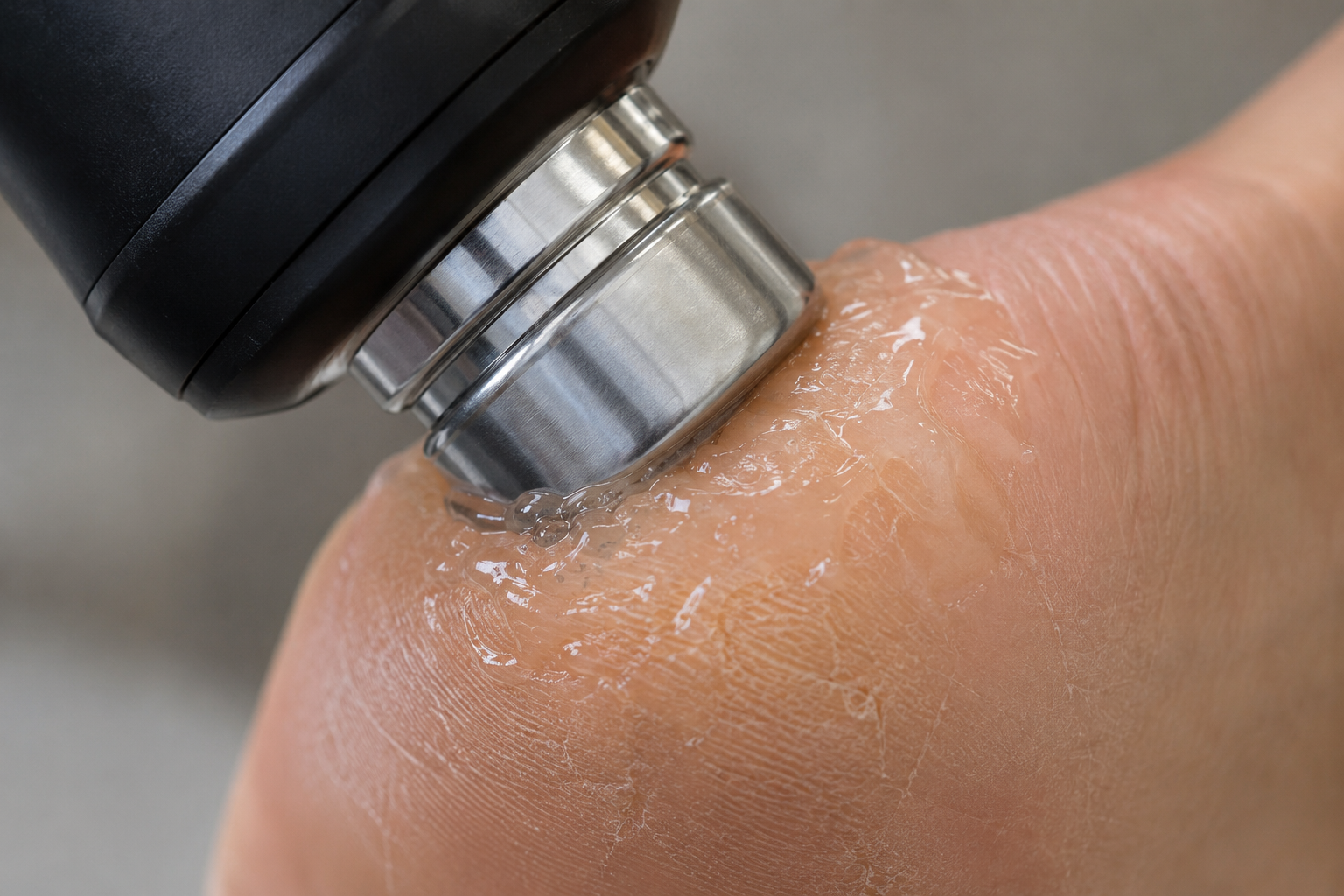
Shockwave Therapy for Heel Pain: Questions to Ask
Shockwave therapy may come up when chronic heel pain has not responded to simpler care, but the right first question is diagnosis.
Internal Links
Related Pages
Foot Surgery Questions
What to ask before assuming surgery is the next move.
Open pageBall of Foot Pain
Bunions can shift pressure under the front of the foot.
Open pageThis page is educational and does not diagnose your condition. If symptoms are severe, spreading, infected, or related to diabetes or a wound, seek medical guidance promptly.
Bunions FAQs
When should I call a foot doctor for bunions?
Call when symptoms are painful, spreading, recurring, changing the way you walk, or not improving with basic care. Diabetic patients and patients with wounds, drainage, infection signs, or numbness should call sooner.
Can this be diagnosed at a podiatry visit?
A podiatry visit can often narrow the cause through history, exam, footwear review, and, when appropriate, imaging or in-office testing.
Will treatment be the same for every patient?
No. Treatment depends on the diagnosis, medical history, activity level, footwear, circulation, skin or nail findings, and whether the problem is new or recurring.