

Ingrown Toenails
Ingrown Toenail Treatment in Hickory, NC
An ingrown toenail can turn a small nail edge into throbbing pain, redness, swelling, drainage, and trouble wearing normal shoes.
Symptoms That May Point to Ingrown Toenails
- Pain along one or both nail edges
- Redness, swelling, or drainage
- Pain with shoe pressure
- A nail edge that keeps growing into skin
Common Causes
Common causes include nail shape, tight shoes, injury, trimming nails too short, picking at nail corners, and repeated pressure from activity.
How a Hickory Podiatrist May Evaluate It
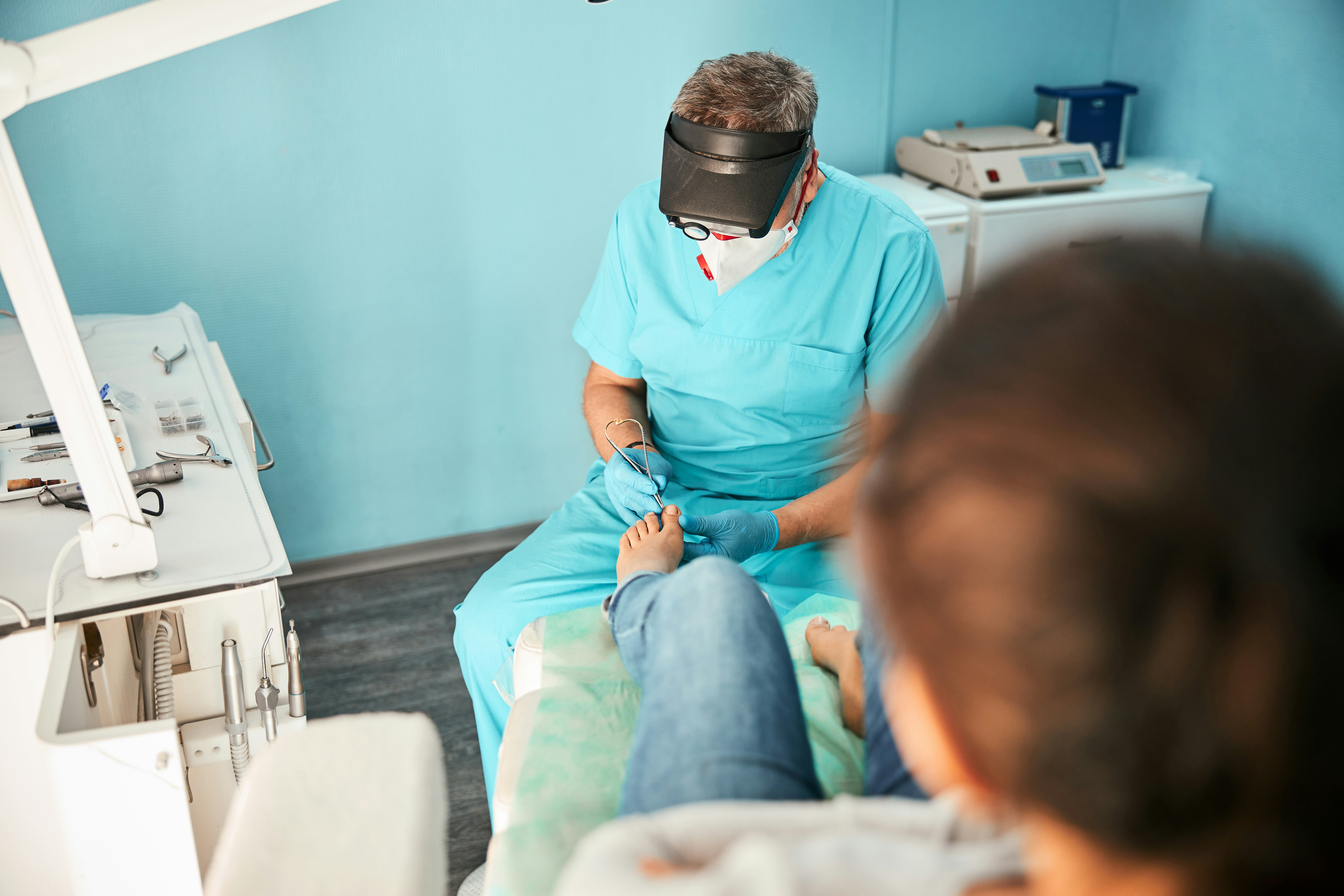
A podiatrist checks the nail edge, skin inflammation, drainage, infection signs, and whether the problem is new or recurring.
Treatment Path
Care Options Patients Often Discuss
The right plan depends on the diagnosis, medical history, footwear, activity level, and whether warning signs are present.
What You Can Do Before Your Visit
- Do not dig deeply into the nail corner.
- Wear shoes that do not squeeze the toe.
- Call sooner if there is drainage, spreading redness, or diabetes.
When to Call
- The toe is red, swollen, draining, or very tender.
- Ingrown nails keep coming back.
- You have diabetes, poor circulation, or numbness.
Related Reading
Helpful Local Foot Care Guides
Ingrown Toenail Home Care: What Not to Do
A painful nail edge can get worse when patients dig, cut too deep, or ignore redness and drainage.
Fungal Toenails: Treatment Options and Realistic Expectations
Toenail fungus treatment takes time, and not every thick nail is fungus. Diagnosis and expectations matter.
Plantar Wart vs Callus: How to Tell the Difference
Warts and calluses can look similar, but one is viral and one is pressure-related. Treatment should match the cause.
Internal Links
Related Pages
Ingrown Toenail Home Care
What to avoid when a nail edge is painful.
Open pageNail Procedure Options
How in-office nail care may be handled.
Open pageThis page is educational and does not diagnose your condition. If symptoms are severe, spreading, infected, or related to diabetes or a wound, seek medical guidance promptly.
Ingrown Toenails FAQs
When should I call a foot doctor for ingrown toenails?
Call when symptoms are painful, spreading, recurring, changing the way you walk, or not improving with basic care. Diabetic patients and patients with wounds, drainage, infection signs, or numbness should call sooner.
Can this be diagnosed at a podiatry visit?
A podiatry visit can often narrow the cause through history, exam, footwear review, and, when appropriate, imaging or in-office testing.
Will treatment be the same for every patient?
No. Treatment depends on the diagnosis, medical history, activity level, footwear, circulation, skin or nail findings, and whether the problem is new or recurring.