

Wound Care
Foot Wound Care in Hickory, NC
A foot wound should be taken seriously, especially for patients with diabetes, numbness, poor circulation, or a sore that is not healing.

How This Treatment Conversation Starts
Wound care depends on wound depth, infection signs, pressure source, circulation, and medical history.
What May Happen at the Visit
- Assess the wound and surrounding skin.
- Review diabetes, circulation, sensation, shoe pressure, and infection signs.
- Discuss debridement, offloading, dressings, follow-up, or referral when appropriate.
Important Limits
Severe infection signs, fever, spreading redness, or sudden worsening may need urgent care. Do not wait for a routine visit if symptoms are severe.
Related Conditions
Pages That Connect to Wound Care
Patient Guides
Related Articles
Diabetic Foot Check: Warning Signs You Should Not Ignore
Daily foot checks matter because diabetes can reduce feeling and make small pressure spots harder to notice.
Diabetic Foot Wound: When to Call a Podiatrist
Diabetic foot wounds need early attention, especially when there is drainage, redness, swelling, odor, or delayed healing.
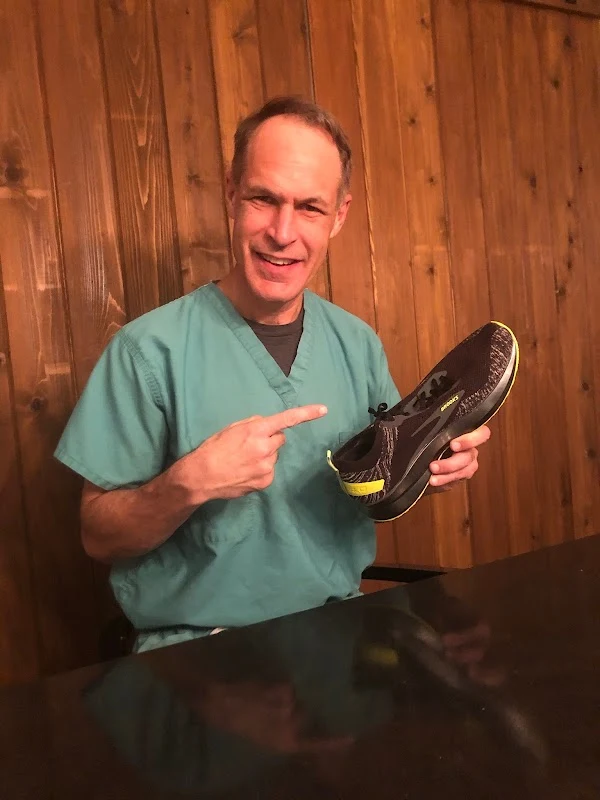
Diabetic Shoes and Foot Care: What to Check
Shoe pressure can create calluses, blisters, and wounds that are harder to notice when diabetes affects feeling.
This page is educational and does not promise a specific treatment, device, result, price, or insurance coverage. Call Carolina Podiatry Center to confirm current availability and fit.
Wound Care FAQs
Is foot wound care right for every foot problem?
No. The right option depends on the diagnosis, exam findings, medical history, activity goals, and what has already been tried.
Will insurance cover this treatment?
Coverage can vary by plan and diagnosis. Call the office and your carrier to confirm current benefits before scheduling care.
Can I request an appointment online?
Yes. Use the appointment form or call Carolina Podiatry Center so the office can confirm scheduling details.