

Forefoot Pain
Ball of Foot Pain Treatment in Hickory, NC
Pain under the ball of the foot can feel like pressure, burning, a pebble in the shoe, or soreness that gets worse in certain shoes.

Symptoms That May Point to Forefoot Pain
- Pain under the metatarsal heads
- Burning or tingling into toes
- Callus under the forefoot
- Pain in dress shoes, cleats, or narrow shoes
Common Causes
Forefoot pain may come from metatarsalgia, neuromas, bunions, hammertoes, arthritis, stress injury, calluses, fat pad changes, or footwear pressure.
How a Hickory Podiatrist May Evaluate It
The exam checks callus patterns, toe alignment, nerve symptoms, joint tenderness, shoe fit, and whether imaging is needed to rule out bone or joint injury.
Treatment Path
Care Options Patients Often Discuss
The right plan depends on the diagnosis, medical history, footwear, activity level, and whether warning signs are present.
What You Can Do Before Your Visit
- Try shoes with more forefoot room.
- Avoid high heels if symptoms increase.
- Do not cut painful calluses deeply at home.
When to Call
- Pain is burning, tingling, or numb.
- Pain is worsening with walking.
- You notice swelling, bruising, or a painful callus.
Related Reading
Helpful Local Foot Care Guides
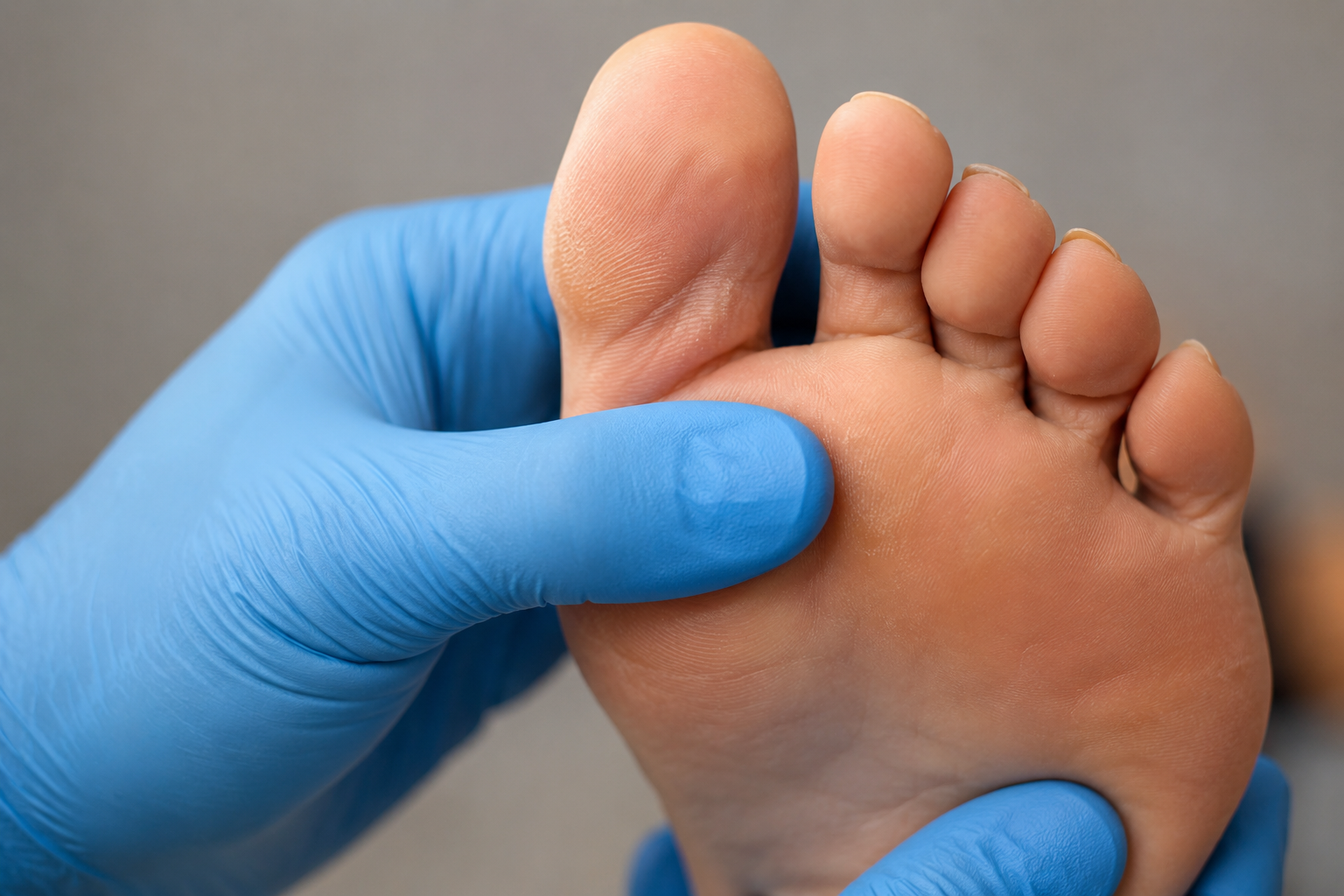
Foot Pain Treatment Options: Conservative Care, Orthotics, Injections, and Surgery
Foot pain treatment should follow the diagnosis, starting simple and moving up only when symptoms and exam findings support it.
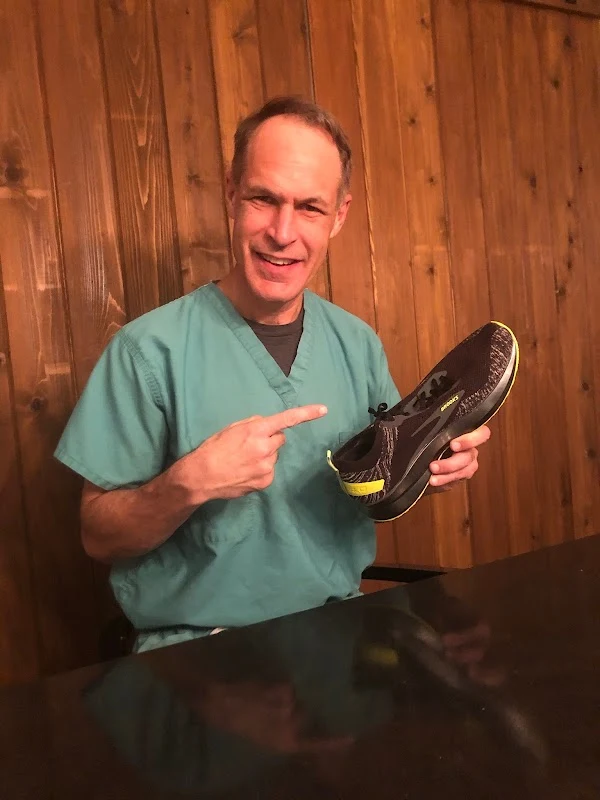
Do Custom Orthotics Help Foot Pain?
Orthotics can help when support, pressure, or repeated mechanics are part of the problem, but they are not the answer for every foot condition.
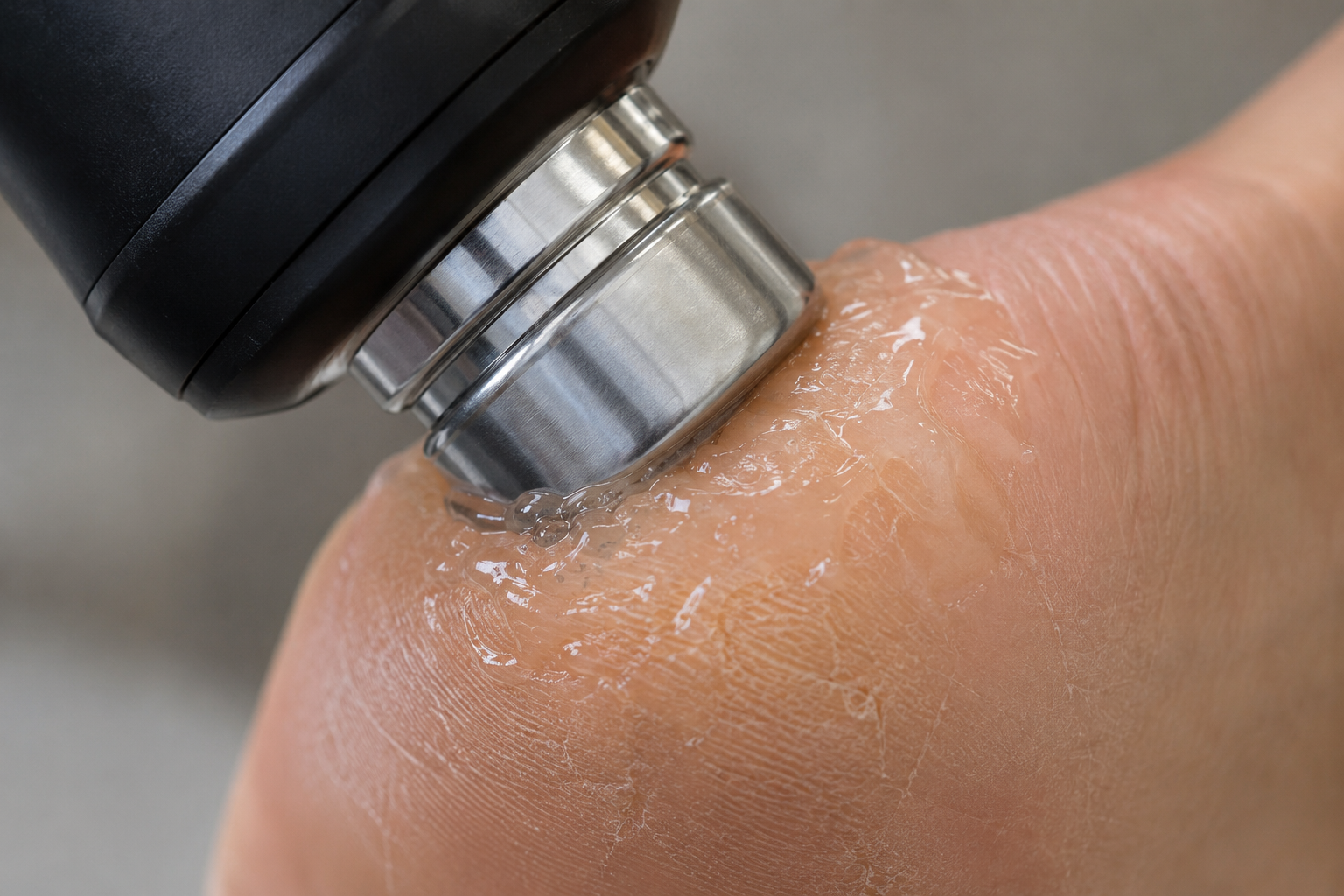
Shockwave Therapy for Heel Pain: Questions to Ask
Shockwave therapy may come up when chronic heel pain has not responded to simpler care, but the right first question is diagnosis.
Internal Links
Related Pages
Neuroma Treatment
A common cause of forefoot burning or tingling.
Open pageCustom Orthotics
How support may reduce pressure.
Open pageThis page is educational and does not diagnose your condition. If symptoms are severe, spreading, infected, or related to diabetes or a wound, seek medical guidance promptly.
Forefoot Pain FAQs
When should I call a foot doctor for ball of foot pain?
Call when symptoms are painful, spreading, recurring, changing the way you walk, or not improving with basic care. Diabetic patients and patients with wounds, drainage, infection signs, or numbness should call sooner.
Can this be diagnosed at a podiatry visit?
A podiatry visit can often narrow the cause through history, exam, footwear review, and, when appropriate, imaging or in-office testing.
Will treatment be the same for every patient?
No. Treatment depends on the diagnosis, medical history, activity level, footwear, circulation, skin or nail findings, and whether the problem is new or recurring.