

Foot Pain
Foot Pain Doctor in Hickory, NC
Foot pain is a symptom, not a diagnosis. A podiatry visit helps narrow whether the problem is coming from bone, tendon, skin, nails, nerves, circulation, shoe pressure, or repeated stress.

Symptoms That May Point to Foot Pain
- Pain that changes how you walk
- Swelling, bruising, burning, or numbness
- Pain in the heel, arch, toes, ankle, or ball of the foot
- Symptoms that return after the same activity or shoes
Common Causes
Common causes include plantar fasciitis, tendon strain, arthritis, neuromas, stress injury, bunions, hammertoes, nail problems, skin lesions, and shoe pressure.
How a Hickory Podiatrist May Evaluate It
The appointment focuses on where pain is located, what triggers it, what shoes you wear, and whether the skin, nails, nerves, joints, or tendons are involved. Imaging may be considered if bone or joint problems are suspected.
Treatment Path
Care Options Patients Often Discuss
The right plan depends on the diagnosis, medical history, footwear, activity level, and whether warning signs are present.
Conditions Overview
Browse the full set of foot and ankle problems by symptom.
View pageConservative Care
Many foot pain plans begin with practical support, padding, footwear, and activity changes.
View pageOrthotics
Support may help when mechanics or repeated pressure are driving symptoms.
View pageWhat You Can Do Before Your Visit
- Write down where the pain is and when it happens.
- Bring the shoes you wear most often.
- Avoid trimming painful skin or nails aggressively before the visit.
When to Call
- Pain is worsening or recurring.
- You have numbness, swelling, redness, drainage, or a wound.
- You have diabetes or circulation concerns.
Related Reading
Helpful Local Foot Care Guides

Foot Pain Treatment Options: Conservative Care, Orthotics, Injections, and Surgery
Foot pain treatment should follow the diagnosis, starting simple and moving up only when symptoms and exam findings support it.
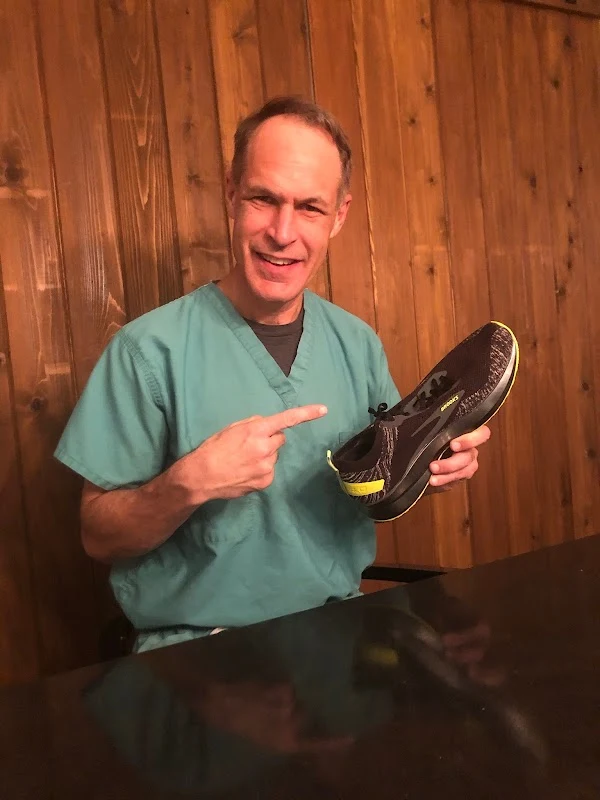
Do Custom Orthotics Help Foot Pain?
Orthotics can help when support, pressure, or repeated mechanics are part of the problem, but they are not the answer for every foot condition.
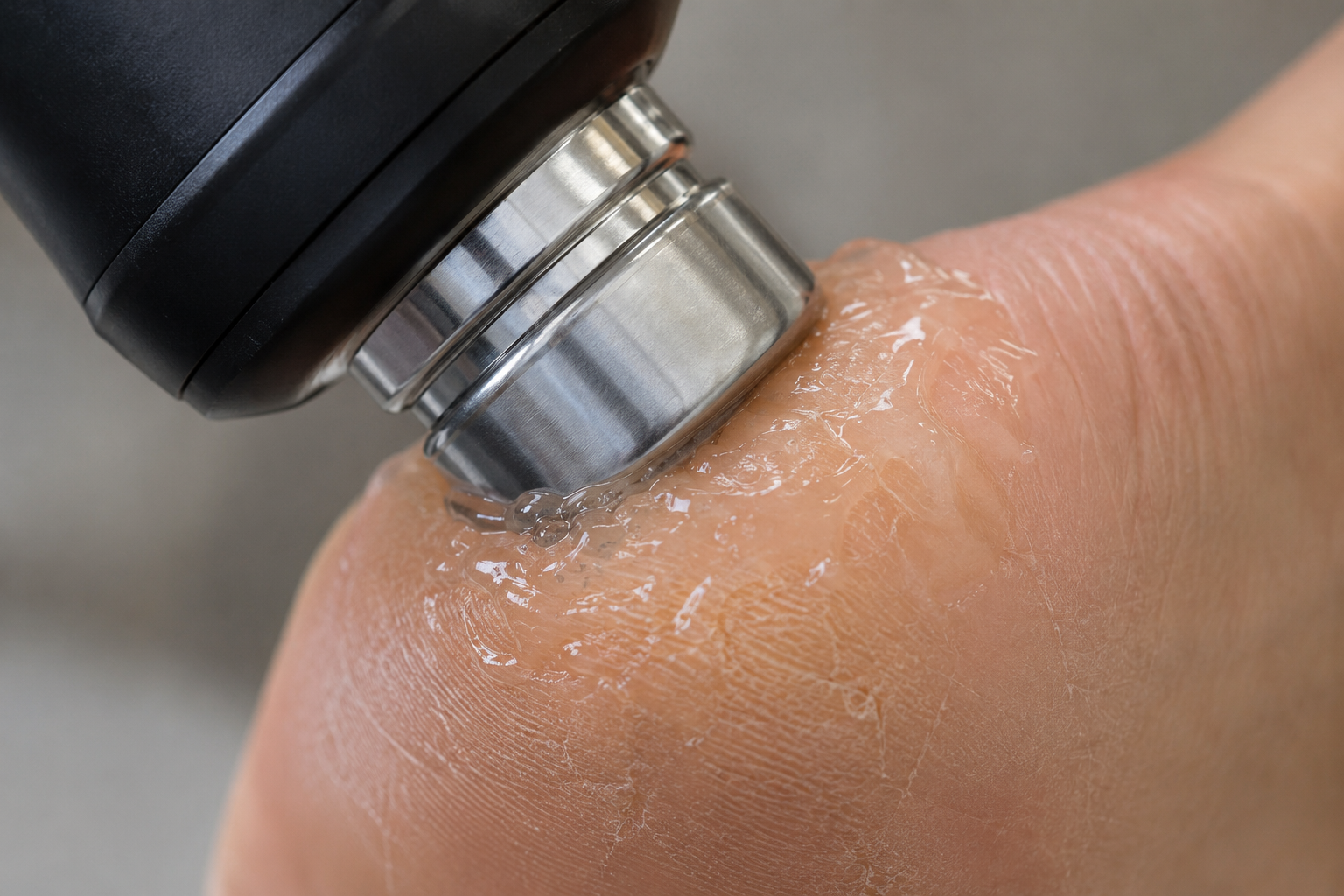
Shockwave Therapy for Heel Pain: Questions to Ask
Shockwave therapy may come up when chronic heel pain has not responded to simpler care, but the right first question is diagnosis.
Internal Links
Related Pages
Foot Pain Treatment Options
A practical guide to support-based treatment.
Open pageTreatments Overview
See how treatment options fit into a care plan.
Open pageThis page is educational and does not diagnose your condition. If symptoms are severe, spreading, infected, or related to diabetes or a wound, seek medical guidance promptly.
Foot Pain FAQs
When should I call a foot doctor for foot pain?
Call when symptoms are painful, spreading, recurring, changing the way you walk, or not improving with basic care. Diabetic patients and patients with wounds, drainage, infection signs, or numbness should call sooner.
Can this be diagnosed at a podiatry visit?
A podiatry visit can often narrow the cause through history, exam, footwear review, and, when appropriate, imaging or in-office testing.
Will treatment be the same for every patient?
No. Treatment depends on the diagnosis, medical history, activity level, footwear, circulation, skin or nail findings, and whether the problem is new or recurring.